
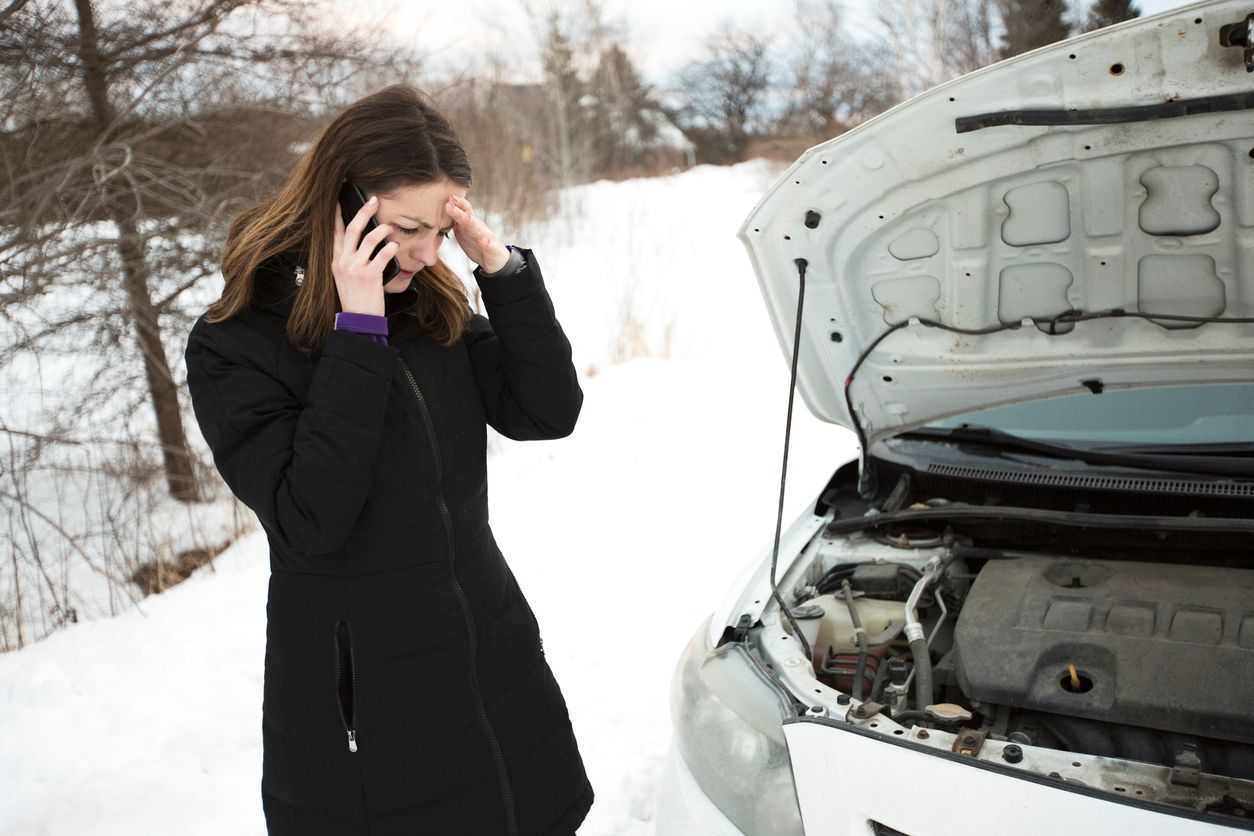
A calm, step-by-step guide for the first 10 minutes, the first 24 hours, and your insurance claim.
Car accidents happen fast. Even a minor fender bender can leave you shaken, unsure what to do next, and worried about insurance. The good news: if you follow a few simple steps, you can protect your safety, your rights, and your claim.
This guide is written for Ontario drivers, with the latest reporting rules.
First: Safety comes before paperwork
1) Stay calm and check for injuries
Take a breath. Check yourself and passengers first. If anyone is injured, call 911 immediately.
2) Move to a safe location if you can
If it’s safe and your vehicle is drivable, move out of traffic and turn on hazard lights. If it’s not safe to move the vehicle, stay inside with your seatbelt on until help arrives.
3) Call police when required
Call 911 right away if:
- Someone is injured
- You suspect impairment
- There’s a hit-and-run
- A vehicle is undrivable or there’s damage to public property
Ontario’s reporting threshold has increased: collisions involving property damage must be reported to police when damage appears to exceed $5,000.
Second: Don’t say the wrong thing at the scene
Avoid admitting fault
Even if you feel flustered, don’t apologize in a way that sounds like you’re accepting blame. Liability is determined later based on evidence.
Watch for “predatory towing”
You have the right to choose who tows your car and where it goes. If you feel pressured, call your insurer first. Ontario’s regulator also warns drivers to be cautious with towing arrangements after a crash. Learn more about your towing rights at these two references:
- CAA: Towing Bill of Rights-
https://www.caasco.com/-/media/caasco/advocacy/government-relations/towing-rights/pdf/new-caa-towing-bill-of-rights.pdf - IBC: Ontario drivers are now better protected from towing and storage fraud- https://www.ibc.ca/issues-and-advocacy/regulation/ontario-towing-storage-regulations
Third: Collect the right information (this helps your claim)
When it’s safe, exchange details with other drivers involved:
- Full name and contact info
- Driver’s licence number
- Plate number
- Insurance company and policy number
- Vehicle year/make/model/colour
If there are witnesses, get their contact info too.
Take photos (lots of them)
Capture:
- Damage to all vehicles (multiple angles)
- Plates of all vehicles
- The full scene (signs, lanes, skid marks)
- Road and weather conditions
- Any visible injuries (if appropriate)
Pro tip: write a short note while it’s fresh, or email yourself a quick summary.
Reporting in Ontario: what to do within 24 hours
Ontario guidance emphasizes reporting promptly.
When damage appears over $5,000
If police don’t attend the scene, you may be directed to a Collision Reporting Centre when the combined damage to all vehicles and property appears to exceed $5,000.
Police services note you must report at a Collision Reporting Centre if combined damage appears to exceed $5,000.
Don’t assume “small damage” means “no report”
Even if you plan to pay out-of-pocket, reporting can protect you if injuries surface later or the other driver changes their story.
Call your insurance provider as soon as possible
Even if you’re not sure you’ll claim, notify your insurer. Be ready to provide:
- Date/time/location
- What happened (brief, factual)
- Other parties’ info
- Photos and witness contacts
- Police report number (if applicable)
Your insurer (and your broker) will guide you on next steps: repairs, rental coverage (if you have it), and claim handling.
Common “what if” situations
What if the other driver is uninsured?
Ontario policies typically include uninsured automobile coverage, but timing and documentation matter. Call your insurer right away.
What if you’re driving a rental?
Report the collision as you normally would, then contact the rental company. If you purchased the rental company’s coverage or used credit card coverage, keep all documentation and receipts.
What if it happened in a parking lot?
Treat it the same as any collision: photos, exchange info, report as required, and notify your insurer.
Final Thought
Accidents are stressful. But a calm, simple plan protects you in the moment and sets your claim up for success. Keep your insurance details accessible, know Ontario’s $5,000 reporting threshold, and always report injuries. Don’t let a stressful scene push you into quick decisions (especially towing).
If you want help understanding your coverage before you need it, we’re here. My Insurance Broker can review your auto policy and help you feel prepared for the unexpected.
Call 1-855-482-5001 | Email info@myinsurancebroker.com