
In Canada, space heating is the biggest driver of home energy use, around 60% of household energy demand. So even a few small changes can create real savings without making your home feel like a hockey rink.
And there’s a second benefit people don’t talk about enough: many “winter problems” turn into insurance claims (frozen pipes, roof leaks, electrical issues, preventable water damage). Saving energy and preventing losses often go hand-in-hand.
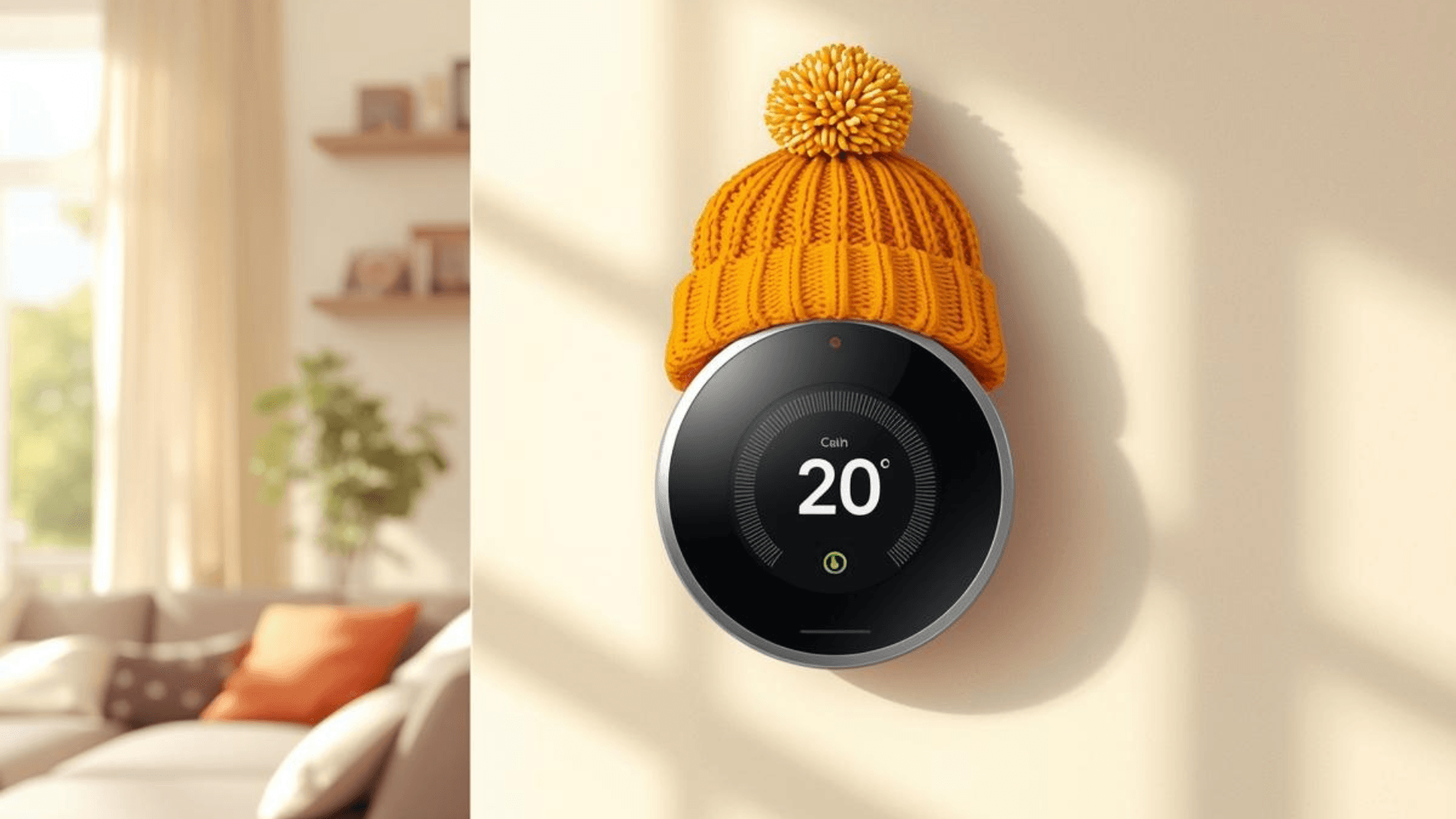
The 10-minute winter energy checklist (start here)
-
Seal the “invisible leaks”
Drafts around doors, windows, vents, and attic hatches are like leaving a small window open all winter.
- Add weatherstripping
- Re-caulk gaps
- Use door sweeps
- For condos: check balcony doors and window frames (big culprit)
-
Set a smarter thermostat routine
You don’t need to “turn it off.” You just need a plan. A common benchmark: set back your thermostat 7–10°F (about 4–6°C) for ~8 hours a day to save up to ~10% on heating/cooling.
Ontario + Alberta tip: Don’t set the temperature too low if you’re away—protecting your plumbing matters, especially during cold snaps.
-
Use free heat (yes, the sun still works in winter)
- Open curtains on sunny days (especially south-facing)
- Close curtains at night to trap heat
Thermal drapes can noticeably reduce the “cold window” effect.
-
Replace or clean your furnace filter
A clogged filter makes your system work harder and can shorten equipment life.
If you’re in Alberta and rely heavily on forced-air heating, this is one of the easiest ROI moves.
-
Reduce hot water waste (quiet bill-killer)
Shorter showers, low-flow showerheads, and washing clothes in cold water can reduce hot water energy use without sacrificing comfort.
The biggest winter energy-savers (that also reduce risk)
-
Insulation upgrades that pay off
Insulation is unglamorous, but it’s the backbone of winter comfort:
- Attic insulation (heat rises—this is where you often lose the most)
- Window film kits (budget-friendly)
- Draft stoppers for older doors
- Foam gaskets behind outlets on exterior walls
-
Heat pumps are a growing trend (and worth understanding)
Heat pumps have been gaining momentum in Canada as homeowners look for efficient heating options.
Important: If you install a heat pump or make major home upgrades, tell your broker — your home’s “replacement value” and systems info can impact coverage and underwriting.
-
Stop heat loss through the roofline
Ice dams and roof leaks can be brutal.
- Keep gutters clear before deep freeze
- Ensure attic ventilation is working
- Consider a professional roof inspection if you’ve had past issues
Winter trends people are using in 2025–2026
- Smart thermostats + room sensors (manage comfort without overheating the whole home)
- Leak detection devices (can reduce water-damage severity)
- Home energy audits (find the exact spots you’re losing heat, especially in older Ontario homes)
Quick FAQ
What’s the fastest way to lower my heating bill?
Seal drafts + use a thermostat setback schedule + improve insulation where you can.
Should I turn the heat off when I leave?
Usually, no. Lower it safely, especially to avoid frozen pipes and preventable damage.
Do these tips apply to condos and rentals?
Yes. Focus on drafts, thermostat habits, curtains, outlet gaskets, and hot water use.
Final Thought
Winter savings aren’t about suffering through a cold home—rather they’re about stopping waste. Tighten the envelope, run your system smarter, and reduce the risks that cause expensive surprises.
If you’d like to review your home insurance or update your policy after renovations (heat pump, furnace replacement, added fireplace/wood stove, etc.), we’re here to help.
Call: 1-855-482-5001
Email: info@myinsurancebroker.com